Shipping chocolate gift hampers is a sweet business, but it can quickly turn Check out this site into a bitter experience if you’re not careful. From temperature swings that melt your cocoa to customs hiccups that delay delivery, the journey from factory to festive table is fraught with pitfalls. This guide unpacks the most common pain points when shipping chocolate gift hampers and shows you how to keep the chocolate intact and the customers happy.
Understanding the Chocolate Gift Hamper Journey
Before you can solve a problem, you need to know the terrain. Think of shipping chocolate like navigating a minefield—every step matters.
Packaging Perils
The first obstacle is packaging. Chocolate is fragile; a single jolt can cause chips that look like miniature craters. Traditional cardboard boxes, while sturdy, don’t offer enough cushioning for high‑impact environments.

Temperature Tactics
Chocolate is a thermophile—meaning it loves heat. Even a brief exposure to temperatures above 70 °F (21 °C) can trigger the dreaded “bloom” where fat or sugar rises to the surface, ruining the finish. Shipping through hot climates or during summer months is a real risk.
Delivery Delays
Long transit times can be a nightmare. If a hamper sits in a warehouse for days, the chocolate inside may start to melt or become sticky. Delays also erode customer trust, especially when the hamper is a holiday gift.
Common Pain Points When Shipping Chocolate Gift Hampers
Below are the most frequent headaches that send shivers down the spine of any chocolate distributor.
- Fragile Chocolate and Packaging – Poor cushioning leads to broken pieces and a ruined presentation. Temperature Control Failures – Inadequate insulation or cooling causes melting, blooming, or even bacterial growth. Customs and Compliance – Mislabeling or non‑compliance with food safety regulations can halt shipments at borders. Timing and Delivery Expectations – Late deliveries disappoint recipients and damage brand reputation.
Fragile Chocolate and Packaging
Imagine a chocolate bar as a delicate snowflake. One hard bump and it’s shattered. Without a protective buffer, the chocolate’s structural integrity is compromised.
Temperature Control Failures
Think of the chocolate as a snowball in a sauna. If you leave it outside, it melts. The same principle applies during transit—without proper temperature control, chocolate can become a sticky mess.
Customs and Compliance
Customs can be as unpredictable as a toddler’s mood. A single missing ingredient list or wrong tariff code can trigger a hold, turning a simple shipment into a logistical nightmare.
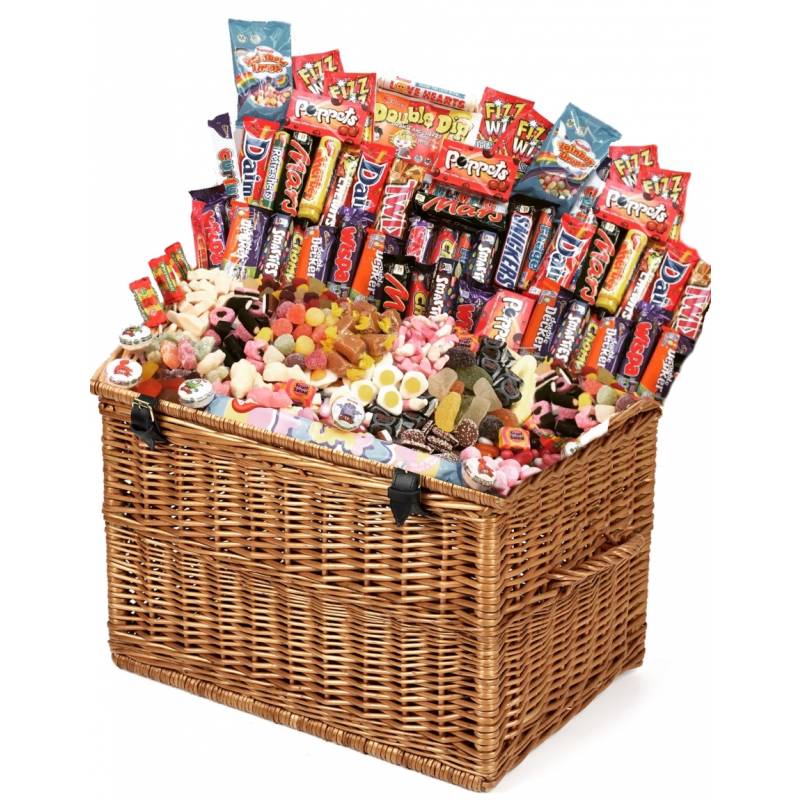
Timing and Delivery Expectations
Customers expect their hampers to arrive on time, especially for birthdays or holidays. A delayed delivery can feel like a broken promise, eroding trust faster than a chocolate melt.
Strategies to Mitigate Shipping Challenges
Knowing the pain points is only half the battle. The other half is deploying smart solutions.
Choosing the Right Packaging
- Use double‑walled cardboard for extra protection. Add foam inserts shaped to fit the hamper’s dimensions. Seal with moisture‑resistant tape to prevent dampness.
Insulation and Cooling Solutions
- Pre‑cool the hamper in a refrigerated environment before packing. Insert ice packs or gel packs that remain cool for 24–48 hours. Use insulated shipping containers designed for perishable goods.
Partnering with Reliable Carriers
- Select carriers with temperature‑controlled logistics. Prefer overnight or same‑day delivery when shipping to hot climates. Verify carrier experience with food‑grade shipments.
Clear Communication and Tracking
- Provide real‑time tracking so customers can monitor progress. Send proactive updates if delays occur. Offer a clear return or replacement policy for damaged items.
A Real‑World Anecdote
Last Christmas, a boutique chocolatier in Boston faced a classic scenario: a three‑day shipment to a client in Phoenix, Arizona. The package hit a temperature spike of 100 °F during transit. The chocolate inside began to melt, and the client called in a complaint. The chocolatier’s quick response—offering a replacement and a discount on the next order—turned a potential PR disaster into a story of excellent customer service. “We didn’t just melt the chocolate; we melted the customer’s trust back into place,” the owner joked.
Wisdom From the Experts
> “Temperature is the silent assassin in chocolate shipping,” says Dr. Maya Patel, a food science specialist. “Even a 10 °F fluctuation can ruin a batch.”
This quote reminds us that the devil is in the details. A small oversight can lead to a costly mistake, so meticulous planning is essential.
The Perfect Gift Awaits
Shipping chocolate gift hampers is a delicate dance between art and science. By anticipating the most common pain points—fragile packaging, temperature control, customs hurdles, and timing—you can choreograph a flawless delivery. Equip your hampers with sturdy, insulated packaging, partner with carriers that respect the delicate nature of chocolate, and keep your customers informed every step of the way.
Remember, a well‑delivered hamper not only delights the recipient but also builds a brand that customers trust. So, the next time you prepare a chocolate gift, think of it as a treasure chest: secure, protected, and ready to bring smiles without a single melt‑down.