When you see a festive hamper wrapped in glittering paper, embossed ribbons, or even a handcrafted wooden box, you might wonder: Why do some Christmas gift hampers have a special packaging?
The answer is a blend of tradition, marketing savvy, and a touch of holiday magic. In this article we’ll explore the history, functionality, and psychology behind those eye‑catching gift wraps, and show you how to choose the right packaging for your own seasonal presents.
The Tradition of Gift Wrapping
Gift wrapping has been part of holiday culture for centuries. From Crackers the elaborate paperwork of Victorian England to the modern minimalist designs of today, the act of covering a present signals respect, care, and anticipation.
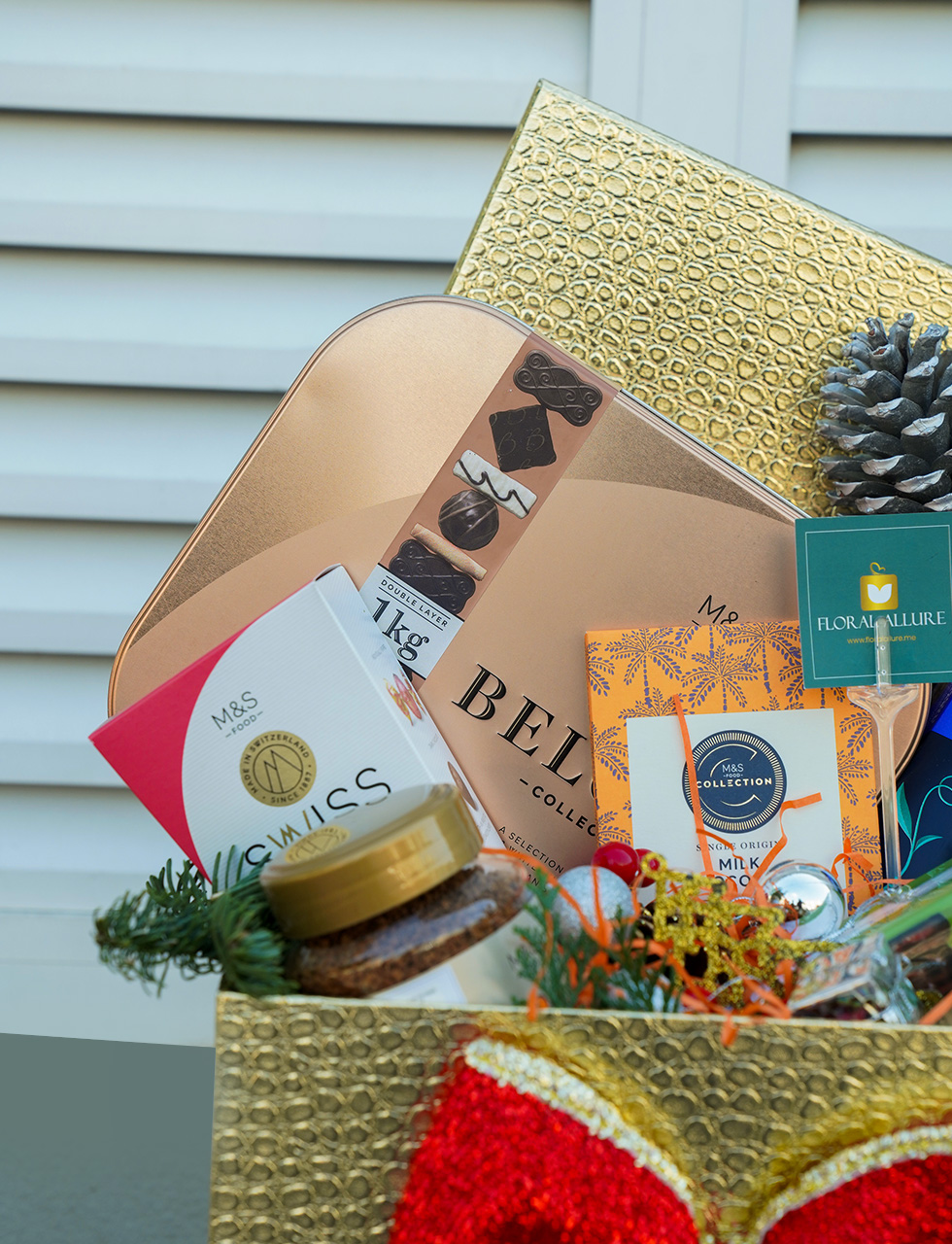
- Historical roots: In the 19th‑century United Kingdom, wrapping paper was a status symbol. Cultural shifts: Post‑World War II saw a surge in mass‑produced paper, making wrapping more accessible. Modern relevance: Today, packaging is not just a cover—it’s a storytelling medium.
A Quick Anecdote
Last Christmas, my cousin received a hamper sealed in a silver‑glossy box shaped like a miniature sleigh. He laughed, saying, “It’s like Santa’s own gift‑wrapping kit!” That moment captured the essence of special packaging: surprise, delight, and a hint of whimsy.
Functional Reasons Behind Special Packaging
Beyond aesthetics, special packaging serves practical purposes that make the gift experience smoother and safer.
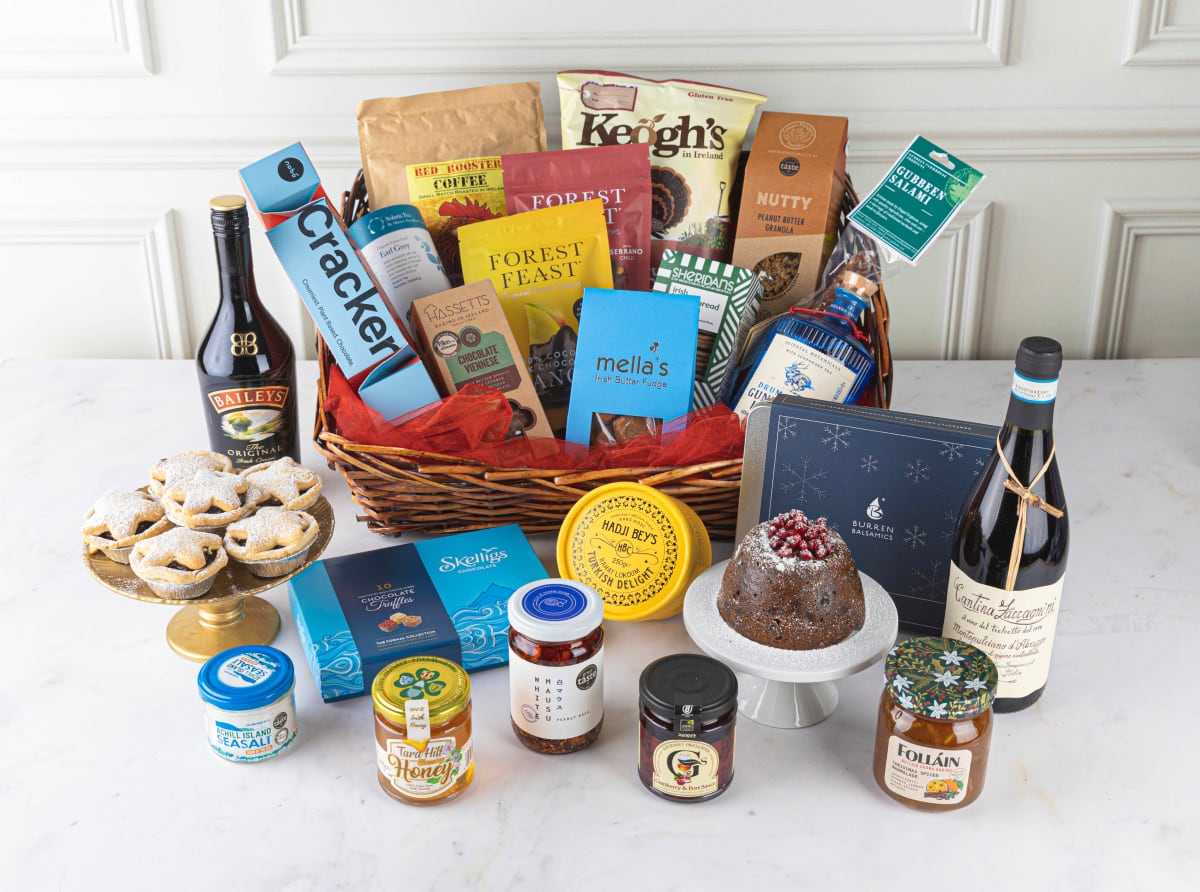
Protection and Preservation
- Fragile contents: Chocolate, wine, and artisanal cheeses benefit from cushioned interiors. Temperature control: Some hampers include insulated liners to keep perishable items fresh. Durability: Reinforced cardboard or wooden crates prevent damage during transit.
Convenience for the Receiver
- One‑stop solution: A pre‑packed hamper eliminates the need for the recipient to assemble items themselves. Easy storage: Compact, stackable designs fit neatly in holiday décor. Reusable: Many premium hampers double as holiday décor or storage after the season.
Branding and Marketing
- Instant recognition: A distinctive logo or color scheme can turn a simple hamper into a brand ambassador. Storytelling: Packaging often tells the brand’s heritage—think of a rustic wooden box evoking artisanal roots. Competitive edge: In a crowded market, unique packaging can be the deciding factor for a purchase.
Aesthetic Appeal and Brand Identity
Special packaging is the visual handshake between Additional resources the giver and the receiver. It sets the tone before the first item is even opened.
Design Trends for the Holiday Season
- Festive colors: Red, green, gold, and silver dominate, but muted pastels are gaining popularity. Textured materials: Velvet ribbons, burlap, and metallic foils add tactile richness. Personalization: Monograms, custom messages, and QR codes link to digital experiences.
Metaphor in Motion
Think of a Christmas hamper’s packaging as a Christmas tree wrapped in velvet: the core (the hamper) is lush and full, while the outer layers provide a luxurious, comforting glow that invites you to explore further.
Quote to Remember
> “Packaging is the first conversation a product has with its customer.”
> — Ellen MacArthur, Packaging Design Innovator
Consumer Perception and Market Trends
In today’s eco‑conscious world, consumers weigh sustainability alongside style. Special packaging must balance visual appeal with environmental responsibility.
Eco‑Friendly Alternatives
- Biodegradable paper: Made from recycled fibers or sustainably sourced trees. Reusable containers: Mason jars, tin boxes, and fabric wraps that double as gifts. Minimalist design: Reducing excess material while maintaining elegance.
The Rise of Digital Integration
- Smart packaging: QR codes that unlock recipe videos or thank‑you notes. Augmented reality: Scan the box to see a 3D animation of the hamper’s contents.
Rhetorical Questions to Ponder
- Have you ever opened a hamper that felt like a secret vault, only to find a simple note inside? Does the weight of a beautifully wrapped hamper influence how you feel about the gift itself?
Choosing the Right Packaging for Your Hamper
When selecting packaging, consider the hamper’s contents, the recipient’s tastes, and your own brand values.
Key Decision Points
- Content type: Perishables need insulation; luxury items may benefit from a sleek, minimalist box. Recipient’s lifestyle: A busy professional might appreciate a reusable tote, while a homebody may love a decorative wooden crate. Brand alignment: Your packaging should echo your brand’s voice—whether it’s rustic, modern, or playful.
A Practical Checklist
- Protection: Does the packaging safeguard fragile items? Sustainability: Is the material recyclable or biodegradable? Presentation: Does the design reflect the holiday spirit and your brand identity? Ease of use: Can the recipient open it without frustration?
Final Thought
Special packaging is more than a decorative flourish—it’s a strategic tool that protects, promotes, and pleases. By understanding its purpose, you can choose a design that elevates your Christmas gift hamper and leaves a lasting impression.
---
With the right combination of tradition, function, and flair, your hamper can become the holiday highlight of the season. Whether you opt for a classic velvet ribbon or a cutting‑edge QR‑coded box, remember that the packaging is the first chapter of the gift’s story. Wrap it thoughtfully, and let the receiver feel the warmth and care that went into every detail.